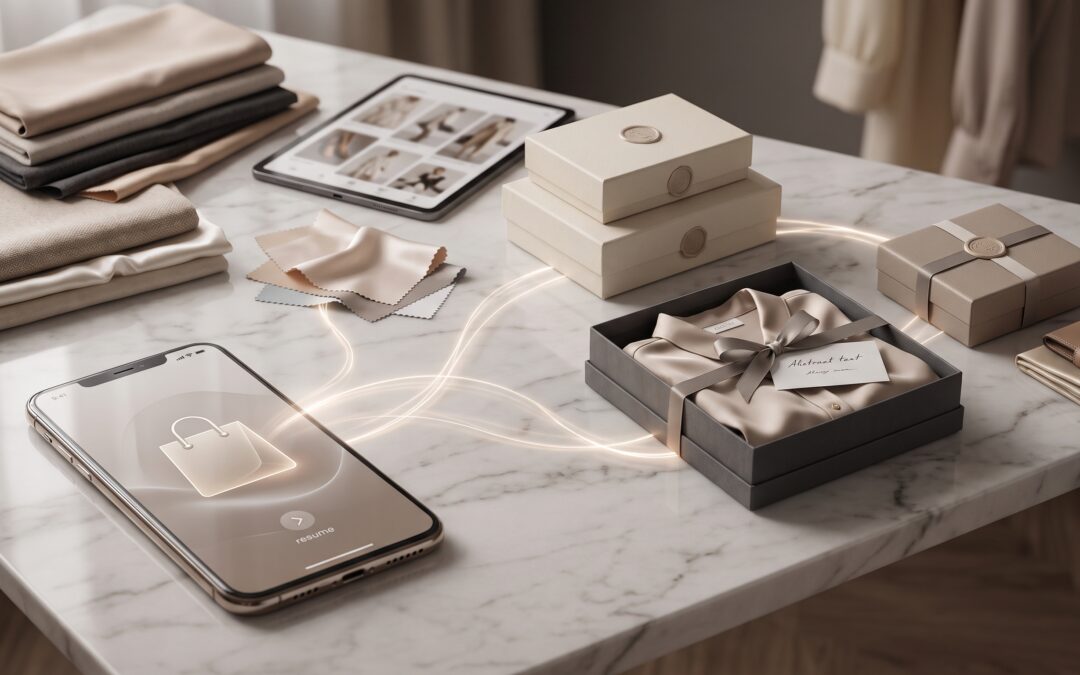
She added the dress to her cart, went to check the size chart in another tab, got distracted by a phone call, and never came back. That’s not a lost sale — that’s a customer who was one nudge away from buying. Most fashion brands respond to this moment the same way: fire off an email with 10% off and hope it works. It usually does, a little. But it also quietly teaches every shopper on your list that the first cart is never the real price, and that’s a habit that’s expensive to unlearn. Done well, cart abandonment emails for fashion brands can recover that sale without ever touching price.
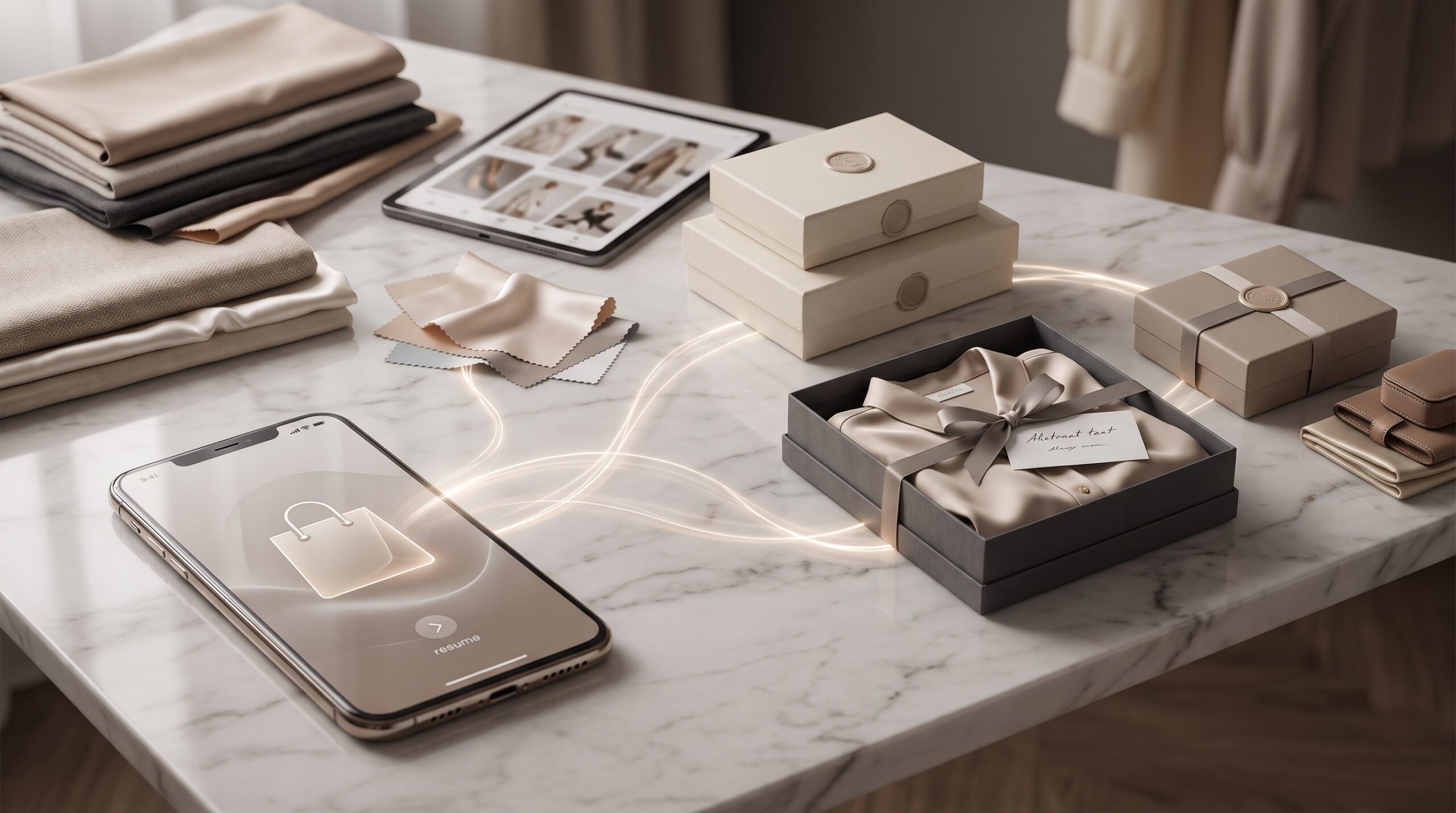
In short: The best cart abandonment emails for fashion brands don’t lead with a discount. They read behavioral signals — sizing hesitation, browsing depth, and return-visitor status — and respond with a three-email sequence built on brand voice, styling proof, and honest scarcity instead of a blanket price cut, protecting margin while still bringing shoppers back.
If you sell clothing online, you already know cart abandonment isn’t a small leak — industry-wide, most online shopping carts never convert. It’s most of your traffic. The real question isn’t whether to email these shoppers back. It’s whether your only lever is money off, or whether you’re actually reading what their behavior is telling you before you respond. Two shoppers can abandon the exact same product for completely different reasons, and a single discount code answers neither of them well.
Contents
- 1 Why “Just Offer 10% Off” Is Quietly Hurting Your Fashion Brand
- 2 What Cart Abandonment Actually Tells You About a Shopper
- 3 A Non-Discount Cart Abandonment Email Sequence for Fashion Brands That Actually Works
- 4 When a Discount Still Makes Sense
- 5 A Quick Example: How This Plays Out in Practice
- 6 How to Know If It’s Working
- 7 How This Fits Into a Bigger Retention Picture
- 8 Frequently Asked Questions
Why “Just Offer 10% Off” Is Quietly Hurting Your Fashion Brand
Discount-first recovery works in the short term because it removes friction fast. Send the code, watch a few sales trickle back in, call it a win. But for a clothing brand specifically, that habit does three things you don’t want, and none of them show up in the recovery-email open rate you’re probably tracking. This is exactly why the best cart abandonment emails for fashion brands are built around behavior, not a blanket price cut.
- It trains your best customers to wait. Repeat shoppers learn the pattern quickly — add to cart, do nothing, receive a code a day later. Once that pattern is learned, it doesn’t un-learn. You end up subsidizing sales from your most loyal customers that would have happened anyway, at full price.
- It flattens your brand. A brand built on style, fit, fabric, and story starts showing up in inboxes as a coupon machine, indistinguishable from every fast-fashion retailer running a permanent sale. That’s a hard identity to walk back from once a list has been trained to expect it.
- It ignores why they left. A shopper who abandoned because she wasn’t sure about sizing has a completely different problem than one who was just comparing prices across three stores, who in turn differs from someone who simply got distracted mid-checkout. A blanket discount solves none of these well.
None of this means discounts are always wrong — later in this piece is exactly when they still make sense. It means they shouldn’t be the default, first-touch response for every abandoned cart your store sees, which is what most fashion brands run on autopilot.
What Cart Abandonment Actually Tells You About a Shopper
Before writing a single recovery email, it’s worth treating the abandoned cart as a data point, not just a missed transaction. Most store platforms already capture far more browsing behavior than brands actually use. For a clothing brand, three signals matter more than most — and reading them properly is what separates generic cart abandonment emails for fashion brands from ones that actually convert.
Size & fit hesitation
If a shopper viewed the size guide, switched sizes on the product page, or added two sizes of the same item to compare, sizing — not price — is almost certainly why she left. This is one of the single biggest reasons apparel shoppers hesitate, and no discount fixes uncertainty about fit. A short, specific nudge — “our customers with your measurements usually go true to size in this fabric” — does more to move that sale than 10% off ever will, because it answers the actual question in her head.
Price anchoring vs. genuine browsing
There’s a real difference between someone who added one item and left within minutes, and someone who spent fifteen minutes comparing three products before adding one to cart. The second shopper is engaged, not undecided about whether she can afford it. Treating her like a price objection when she’s actually weighing a fit-and-style decision wastes the one email she’ll actually open.
Return visitor vs. first-time abandoner
A first-time visitor who abandons hasn’t built trust in your brand yet — she needs reassurance (reviews, sizing confidence, delivery and return policy clarity) more than a price cut. A returning customer who’s bought before and abandoned this time usually just needs a reminder; she already trusts the brand enough to buy again without being sold to on price.
A Non-Discount Cart Abandonment Email Sequence for Fashion Brands That Actually Works
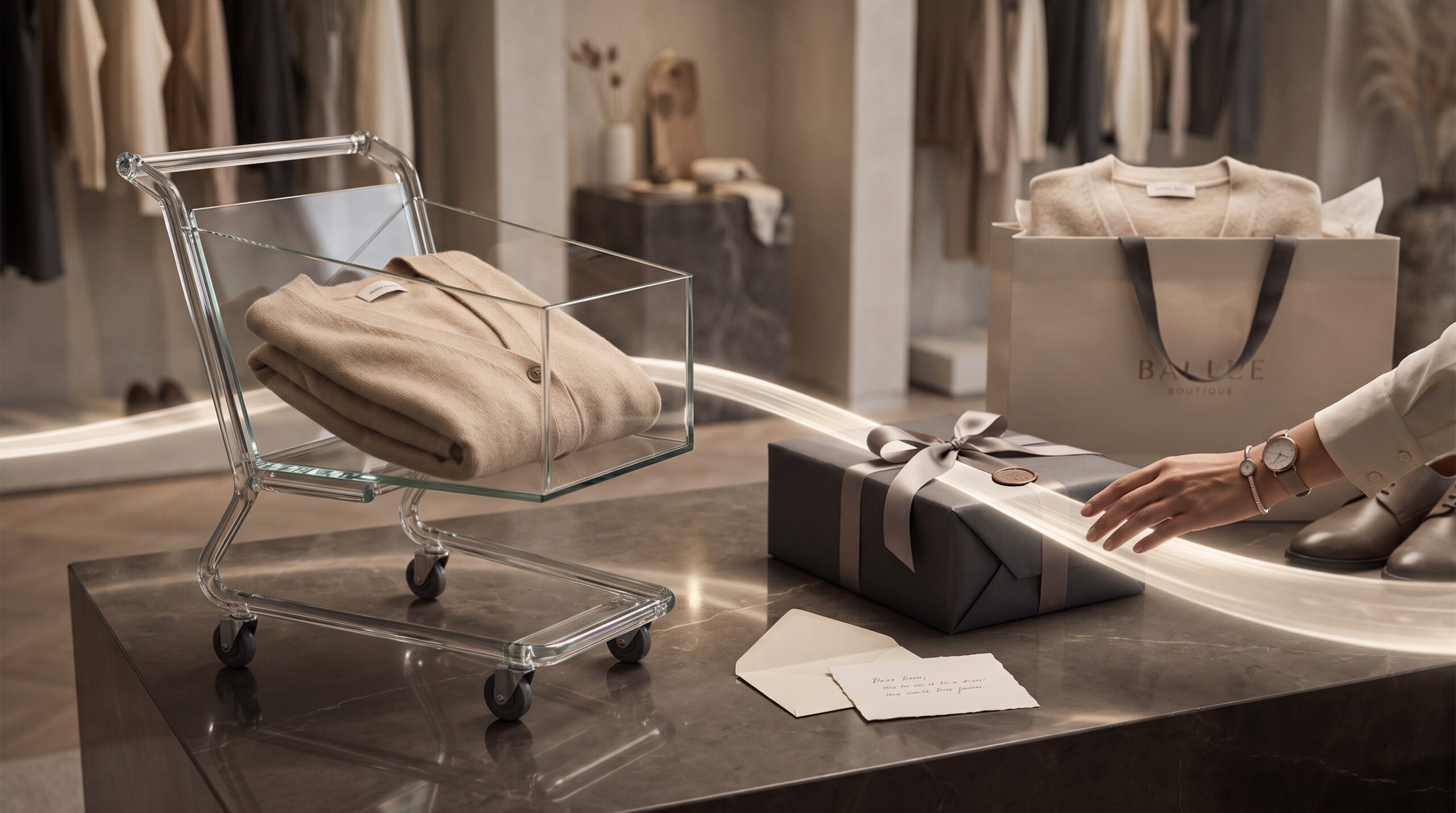
Here’s a three-email framework that leads with brand voice and behavioral relevance instead of price — the kind of sequence you can run for months without training your list to wait for a code. Fashion e-commerce agencies have documented similar discount-free recovery strategies with real brand examples.
Email 1 — the reminder with personality (sent within 1 hour)
This is not a generic “you left something in your cart” email with a product photo and nothing else. It’s a chance to sound like your brand from the very first line. Keep it short, specific to what was actually left in the cart, and give her one useful piece of information — sizing confidence, a fabric detail, or a quick note on how the piece is meant to be styled — rather than a push to buy. Speed matters here too: sent within the first hour, while the intent is still fresh, this email does more work than the same message sent a day later.
Email 2 — proof and styling, not pressure (sent at 24 hours)
By the second email, most shoppers who were going to buy on impulse already have. This one should do the work a discount can’t: show the exact piece styled on a real customer or in a real setting, pull in a review that speaks specifically to fit or quality, and answer the unspoken hesitation directly. If sizing looked like the likely blocker based on her browsing behavior, this is where you address it head-on rather than hoping she figures it out herself.
Email 3 — scarcity, honestly used (sent at 48–72 hours)
The final email can create real urgency without inventing a fake sale. Genuine stock scarcity (“only a few left in your size”), a seasonal cutoff before a collection rotates out, or a simple, human “still thinking about it?” note performs better here than a discount — because by this point in the sequence, price was rarely the actual blocker to begin with. If she hasn’t converted after two emails that addressed her real hesitation, a third email offering money off is more likely to read as desperate than persuasive.
Across all three emails, the goal is the same: answer the real reason she left, not the reason that’s easiest to assume from a template.
When a Discount Still Makes Sense
This isn’t an argument against ever discounting. It’s an argument against discounting by default. A discount earns its place in a few specific situations: the shopper has been through the full non-discount sequence and still hasn’t converted; you’re clearing end-of-season stock where movement matters more than margin; or it’s reserved for a specific, less frequent moment — a first purchase, or a win-back after months of inactivity — rather than triggered on every single abandoned cart, every time.
Used this way, a discount stays a deliberate, occasional tool instead of a standing offer your whole list eventually learns to simply wait for.
A Quick Example: How This Plays Out in Practice
Here’s what cart abandonment emails for fashion brands look like with and without a behavior-first approach. Picture a small clothing label selling structured co-ord sets. A shopper adds a set to her cart, opens the size chart twice, switches from a Medium to a Large, then closes the tab. Under a discount-first system, she’d get a flat “here’s 10% off” email the next morning — the same message sent to everyone who abandons, regardless of what they did on the page.
Under the behavior-first approach, her size-chart activity flags fit as the likely blocker before the first email even goes out. Email 1, sent within the hour, confirms that the set runs slightly fitted through the waist and that she made the right call sizing up — nothing about price. Email 2, a day later, shows the same set styled on a customer with a similar build, plus a review that specifically mentions true-to-size feedback. No discount has been offered, and by this point, none is needed. If she still hasn’t converted by the third email, a modest, time-limited nudge around limited remaining stock closes the loop honestly, without training her to expect a lower price next time.
The difference isn’t just tone. It’s that two different shoppers — one hesitant on fit, one just comparison-shopping — receive two entirely different sequences, instead of the identical discount code sent to both.
How to Know If It’s Working
Discount-led recovery is easy to measure on the surface — the code gets used or it doesn’t. A behavior-first sequence needs a slightly different set of signals to judge properly, since the win isn’t just “did she come back,” it’s “did we protect margin and brand while getting her back.” A few numbers are worth watching over the first two or three months of running this kind of sequence to know whether your cart abandonment emails for fashion brands are actually earning their keep.
- Recovery rate without a discount code, tracked separately from recovery when a code is used in email three.
- Average order value on recovered carts — a customer who returns without a discount tends to spend closer to full price.
- Repeat purchase rate among recovered customers.
- Unsubscribe and complaint rate on the sequence, compared to generic discount blasts.
None of these require expensive tooling to track — most e-commerce and email platforms already report cart recovery and order value by campaign.
How This Fits Into a Bigger Retention Picture
Cart recovery emails are one moment in a much longer relationship with a customer, and they work best when they’re not the only retention lever a fashion brand pulls. Segmenting by behavior here is really a small version of a bigger practice — understanding what your customers are actually doing across your entire store, not just reacting to the last thing they did before they left.
The same behavioral thinking extends well past the cart: which categories a customer keeps returning to, how long she typically takes between purchases, which collection first brought her in. Cart recovery is simply the most visible, most immediate place to start applying it, because the intent is already there — she was seconds away from buying. Getting that one sequence right builds the habit of reading behavior everywhere else, too.
This is exactly the kind of work that’s easy to understand intellectually and hard to run consistently alongside everything else a growing clothing brand has to manage. That’s exactly where having someone dedicated to reading the data and running cart abandonment emails for fashion brands properly pays for itself.
Frequently Asked Questions
Do cart abandonment emails for fashion brands need a discount to work?
No. A behavior-based sequence — addressing sizing, styling, or scarcity — can recover fashion sales without training shoppers to expect a lower price every time.
How soon should the first cart abandonment email go out?
Within the first hour, while purchase intent is still fresh — delayed emails see meaningfully lower recovery rates.
When should a fashion brand still offer a discount?
After the full non-discount sequence hasn’t converted, during genuine end-of-season clearance, or for occasional moments like a first purchase or a long win-back.
What email marketing metrics matter most for cart recovery?
Recovery rate without a discount code, average order value on recovered carts, repeat purchase rate, and unsubscribe rate on the sequence.
If you’d rather have a strategy like this running quietly in the background than build it yourself between collection launches, that’s exactly what Elakiya Ads’ email marketing service is built for. Get in touch and we’ll set up recovery sequences, segmentation, and retention campaigns designed specifically around how fashion and clothing brands’ customers actually shop.